curiousweevil55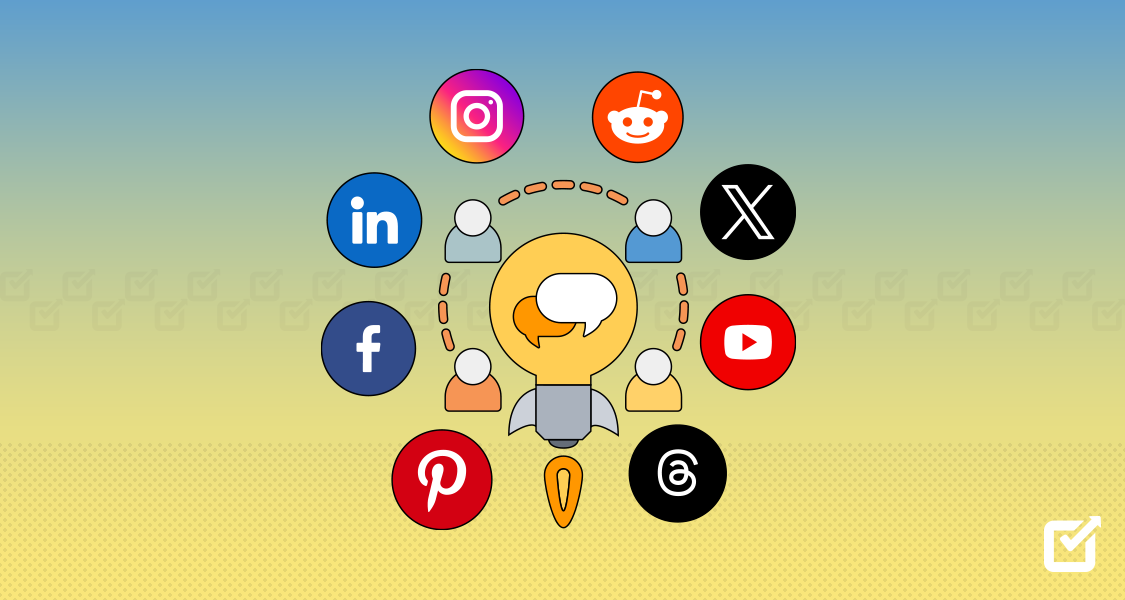
For startups, social media is more than a branding channel—it is a strategic growth engine. Without structured planning, however, content efforts become inconsistent and ineffective. A clear strategy aligns messaging with business objectives.
1. Defining Target Audience

Understanding demographics, behaviors, and pain points allows precise messaging. Audience clarity prevents wasted marketing expenditure and increases engagement quality.
2. Establishing Content Pillars
Content pillars maintain thematic consistency. Educational posts, case studies, testimonials, and industry insights reinforce brand authority and build trust.
3. Platform Optimization

Each platform has unique audience behavior. LinkedIn favors professional thought leadership. Instagram emphasizes visuals. YouTube supports long-form educational content. Tailoring format improves performance metrics.
4. Data-Driven Refinement
Tracking engagement rate, click-through rate, and conversions provides measurable performance indicators. Continuous analysis supports iterative improvement.
Conclusion
A structured social media strategy transforms startups from unknown entities into authoritative brands. Consistency, clarity, and analytics-driven refinement drive sustainable audience growth and lead generation.