curiousweevil55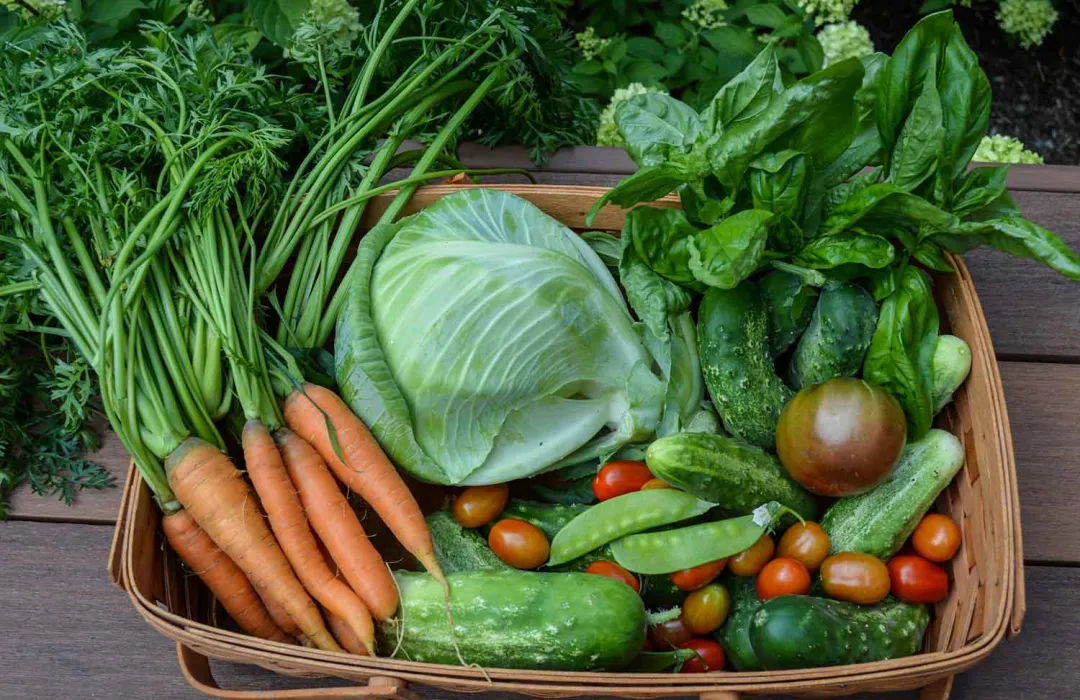
Organic vegetable gardening represents more than food production; it is an ecosystem-based approach to cultivation that prioritizes soil health, biodiversity, and sustainability. For beginners, the process may appear complex, but foundational principles simplify implementation. By focusing on soil quality, crop selection, natural pest control, and efficient water management, novice gardeners can produce healthy, chemical-free vegetables successfully.
1. Soil as a Living Ecosystem
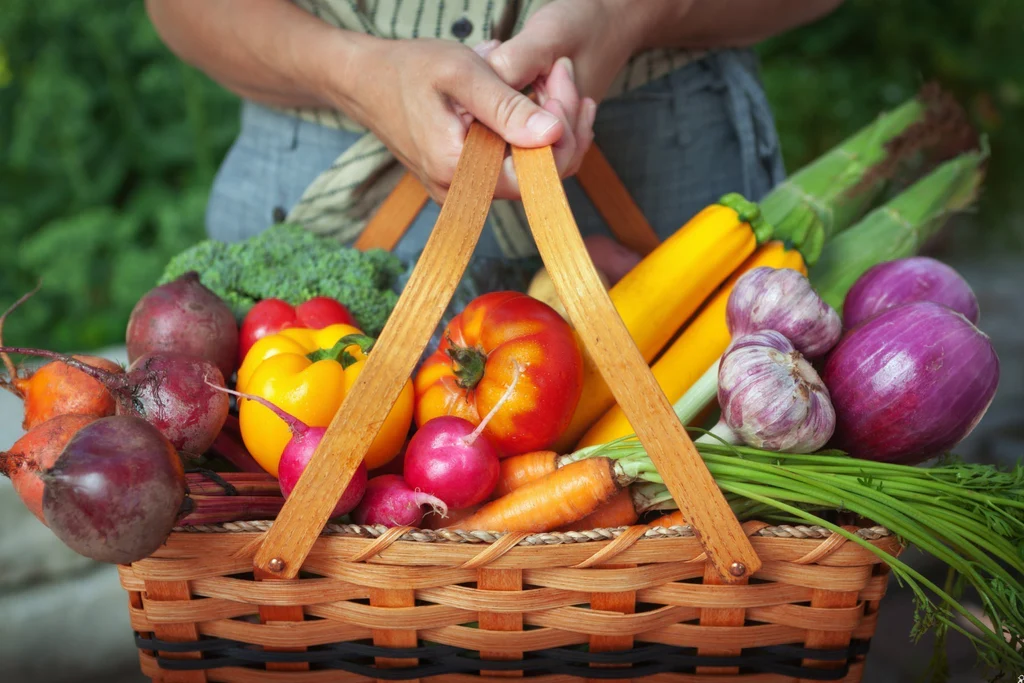
Soil is not merely dirt; it is a biologically active system containing microorganisms, fungi, and nutrients essential for plant growth. Organic gardening emphasizes compost, decomposed organic matter, and mulch to enhance microbial diversity.
Healthy soil improves nutrient retention, supports root development, and reduces erosion. Testing soil pH ensures compatibility with vegetable crops, most of which thrive between pH 6.0 and 7.0.
2. Strategic Crop Selection
Beginners benefit from cultivating resilient crops. Tomatoes, lettuce, cucumbers, spinach, and carrots adapt well to various climates and container environments. Starting with manageable crops builds confidence and reduces early failure risks.
Proper spacing and sunlight exposure are critical. Most vegetables require at least six hours of direct sunlight daily.
3. Natural Pest Management
Organic gardening rejects synthetic pesticides. Instead, it relies on ecological balance. Companion planting—such as basil near tomatoes—repels certain pests. Neem oil and insecticidal soaps provide natural protection. Introducing beneficial insects like ladybugs controls aphid populations.
Crop rotation further prevents soil-borne diseases and pest accumulation.
4. Efficient Irrigation Techniques
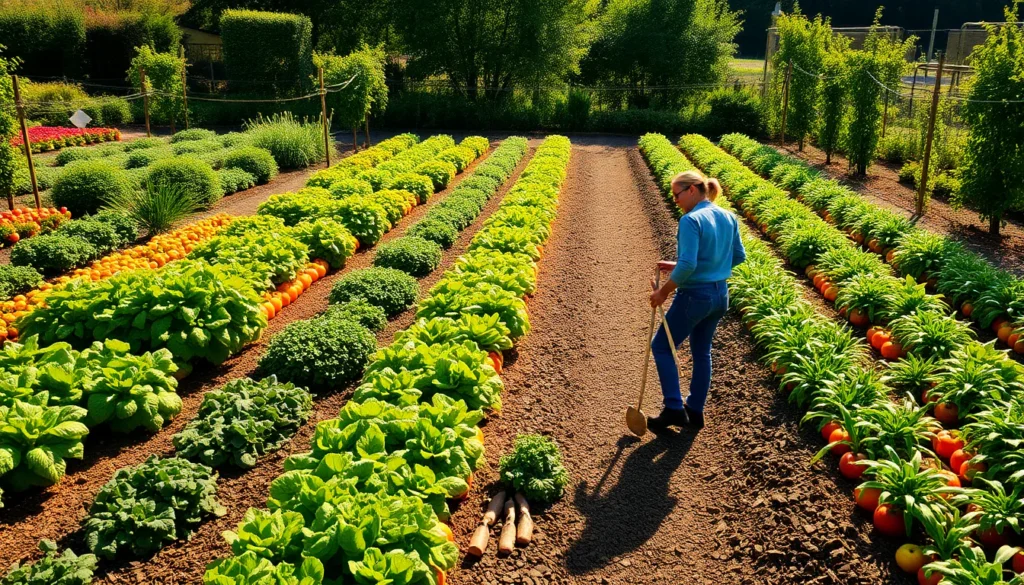
Overwatering is a common beginner error. Deep but infrequent watering strengthens root systems. Morning irrigation minimizes evaporation and fungal growth. Drip irrigation systems improve water efficiency and reduce leaf moisture exposure.
5. Long-Term Sustainability
Organic gardening builds soil fertility over time. Unlike chemical fertilizers that deplete microbial life, organic methods enhance long-term productivity. Composting kitchen waste reduces environmental impact and lowers gardening costs.
Conclusion
Organic vegetable gardening is a sustainable, health-conscious practice grounded in ecological principles. By focusing on soil health, proper crop selection, natural pest management, and efficient irrigation, beginners can cultivate productive gardens that yield nutritious food while preserving environmental balance.