curiousweevil55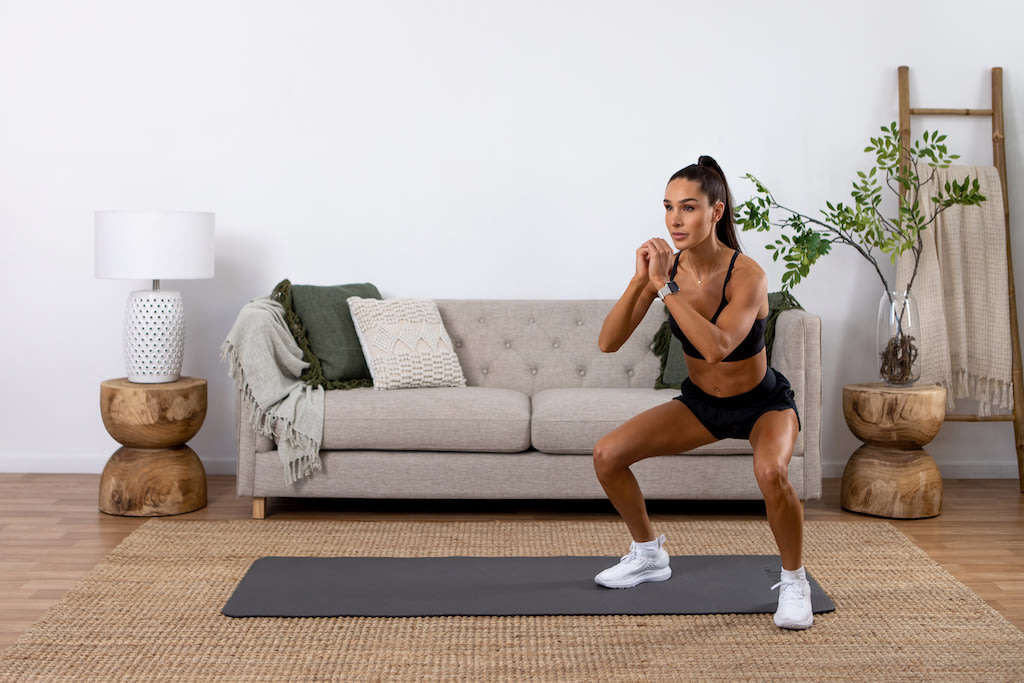
Home fitness has become increasingly popular, particularly for individuals living in small apartments where space constraints limit traditional workout equipment. However, limited square footage does not restrict physical development. With structured programming, progressive overload principles, and disciplined consistency, bodyweight training can deliver measurable improvements in strength, endurance, flexibility, and body composition. The key is understanding how to maximize efficiency within spatial limitations.
1. Space Efficiency and Functional Design

One of the most common misconceptions about fitness is that results require large equipment or gym memberships. In reality, most foundational movement patterns require minimal space. A small open area sufficient for a yoga mat can accommodate push-ups, squats, lunges, planks, and mobility drills.
Training in compact spaces encourages functional programming. Instead of isolating muscles with machines, bodyweight routines emphasize compound movements that engage multiple muscle groups simultaneously. This not only conserves space but also increases caloric expenditure and neuromuscular coordination.
2. Core Movement Patterns for Balanced Development
An effective apartment-based routine should include five primary movement categories: pushing, pulling, squatting, hinging, and core stabilization. Push-ups develop upper-body pressing strength. Squats and lunges strengthen the lower body. Glute bridges replicate hinge mechanics. Planks and hollow-body holds improve core stability.
Even without pull-up bars or resistance bands, creative modifications such as towel rows against sturdy doors can simulate pulling mechanics. Incorporating all movement patterns ensures structural balance and reduces injury risk.
3. Progressive Overload Without Equipment
Muscle adaptation requires progressive overload. In a gym setting, overload is typically achieved by increasing weight. In bodyweight training, progression is achieved through alternative variables:
- Increasing repetitions
- Slowing tempo (time under tension)
- Adding pauses or isometric holds
- Elevating limbs for increased leverage
- Reducing rest intervals
For example, standard push-ups can evolve into decline push-ups, then archer push-ups. Squats can progress into Bulgarian split squats or pistol squats. This structured advancement ensures continuous strength development.
4. Cardiovascular Conditioning in Limited Space
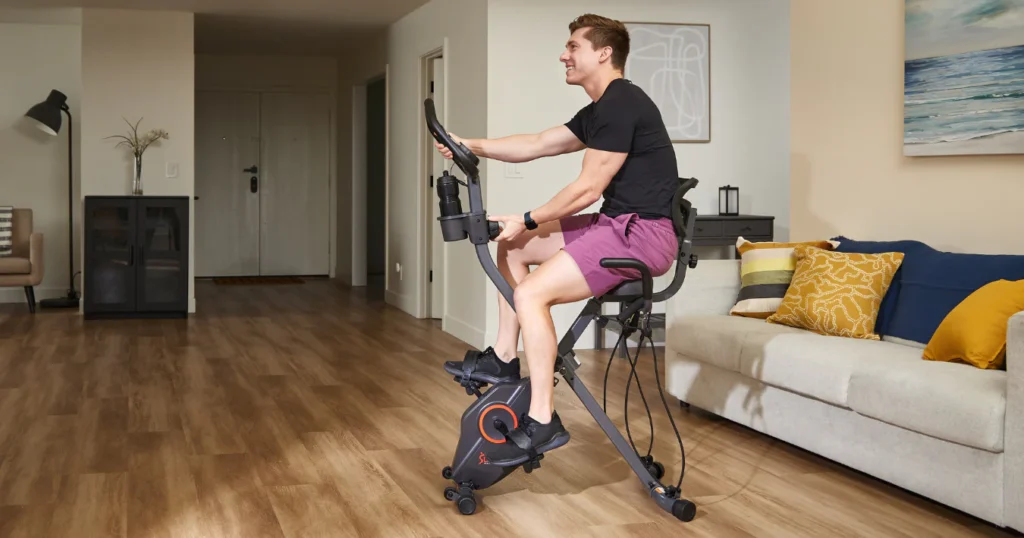
Apartment workouts must also address cardiovascular health. High-intensity interval training (HIIT) formats work effectively in small spaces. Exercises such as mountain climbers, jumping jacks, high knees, and burpees elevate heart rate without requiring equipment.
A 20-minute circuit alternating strength and cardio intervals can provide both muscular stimulation and metabolic conditioning. This dual approach supports fat loss and cardiovascular resilience.
5. Consistency and Recovery
The most sophisticated workout plan is ineffective without adherence. Short, manageable routines performed four to five times weekly outperform sporadic intense sessions. Additionally, recovery protocols—adequate sleep, hydration, and mobility work—enhance muscular repair and prevent burnout.
Conclusion
Home fitness in small apartments is not a compromise—it is a practical, efficient training model when structured correctly. By focusing on functional movement patterns, progressive overload, cardiovascular conditioning, and consistency, individuals can achieve sustainable physical transformation without ever stepping into a commercial gym.